Anime Gymwear Is Not Cosplay — and 2026 Is the Year We Stop Pretending
Photo: athlete wearing anime graphic compression shirt in modern gym, fitness apparel flat lay, via i5.walmartimages.com
At a gym in Austin last month, a guy in a black compression tee with a faded manga panel across the chest got the usual question: You heading to a con after this? He was not. He was doing cable rows. That tiny exchange is the whole problem in a nutshell. Anime gymwear keeps getting filed under cosplay, and in 2026 that label is doing more harm than good.
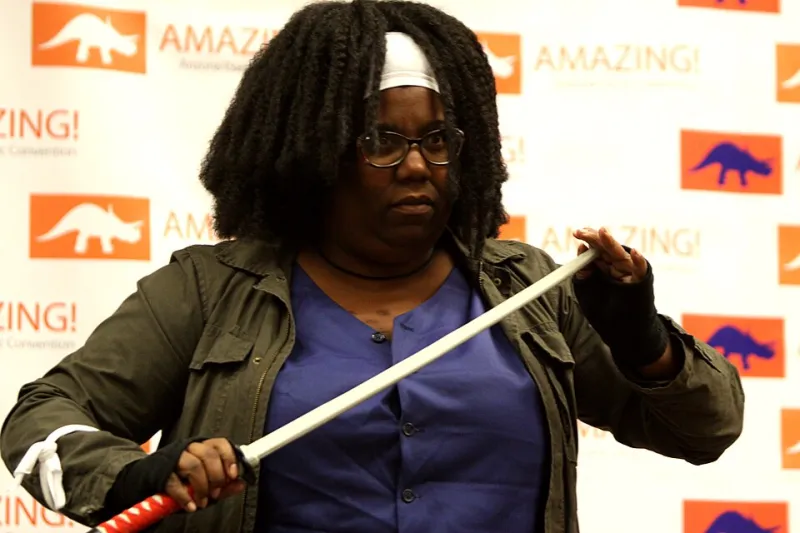
Cosplay is performance. It is built for photos, panels, and the careful walk from the hotel elevator to the show floor. Anime gymwear is built for load. It has to survive sweat, stretch, repeated washing, and the very unglamorous reality of a squat rack. Those are different design briefs, different fabric needs, and different shopping intentions. Treating them as the same thing makes it harder for fans to find clothes that actually work.
A costume is built for photos. Gymwear is built for work.
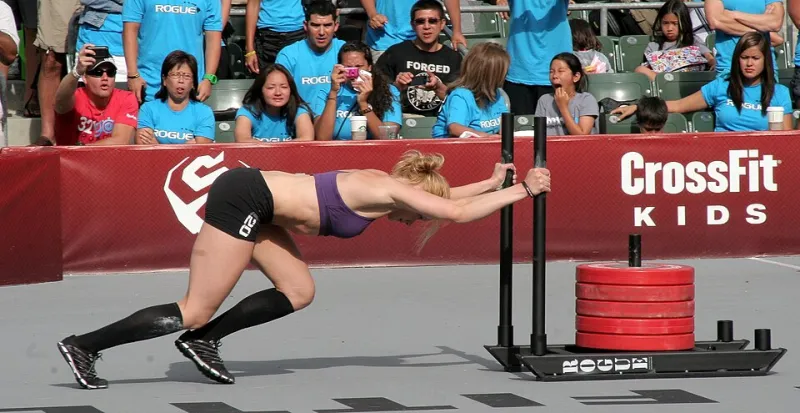
The easiest way to see the gap is to touch the fabric. A cosplay jacket often prioritizes shape, stiffness, and print fidelity. It may have zero stretch, a lining that traps heat, and seams that look great in a photo but dig into your shoulders after an hour. A good training top prioritizes four-way stretch, moisture management, flatlock seams, and a cut that stays put when you raise your arms.
That does not make cosplay bad. It makes cosplay specific. The mistake is assuming that any garment with an anime face on it belongs in the same drawer. A screen-printed compression shirt and a full armored cosplay have about as much in common as a running shoe and a platform boot. Both can be great. They are not interchangeable.
The middle ground is where brands are already living
Look at what people actually wear to the gym now. Graphic tees with subtle panel prints. Joggers with colorways pulled from a character palette. Hoodies with embroidery that reads as streetwear first and fandom second. That is not cosplay. It is anime-coded activewear, and it is already selling in the US market through convention booths, Etsy shops, and small drop-based labels.
Streetwear brands like Atsuko and Hypland helped make anime graphics feel normal outside a convention hall. Performance brands have started using anime-adjacent prints without committing to the fandom. And a growing number of small activewear sellers are splitting the difference with pieces that look like they belong in a gym bag, not a costume bin. The blurry middle is real. The retail shelf just has not caught up.
Fans are not confused. The category is.
Ask a fan who lifts and goes to cons what they want, and the answer is usually boring in the best way. They want a shirt that does not show sweat like a billboard. They want shorts that do not ride up during lunges. They want a jacket that can go from the hotel lobby to the con floor to a casual dinner without looking like a lost prop. They want the reference to be recognizable to people who know, and invisible to people who do not.
That is not a cosplay request. That is a fashion-fitness request. The confusion comes from retail categories that still treat anime apparel as a novelty add-on. Costume shops sell one version. Athletic brands sell another. Nobody owns the space in between, so shoppers bounce between both and end up with a closet full of almost-right pieces.
What a real anime activewear category would include
A proper category would need a few clear standards. First, fabric performance: sweat-wicking knits, stretch recovery, and seams that survive movement. Second, fit consistency: sizes that match US athletic sizing, not convention-hall guessing. Third, reference design that works at a glance without needing a caption. Fourth, care instructions that assume real laundry, not dry-clean-only cosplay maintenance.
It would also need honest labeling. A shirt with a kanji print and a generic anime aesthetic is not the same as a licensed character piece. Fans can tell the difference, and they reward brands that do not pretend otherwise. The category does not need to be gatekept. It needs to be described accurately so people know what they are buying.
The label matters for more than semantics
Calling anime gymwear cosplay sets the wrong expectation. It tells shoppers to expect costume quality, limited wearability, and photo-first construction. It tells gyms and studios that the clothes are a novelty. It tells brands that the market is niche when the actual audience is people who train four days a week and also own a Crunchyroll subscription.
The better label is anime activewear, or character-inspired gymwear, or fandom fitness apparel. Pick one. The point is to separate performance from costume so both can improve. Cosplay deserves better costume engineering. Gymwear deserves better fabric engineering. Fans deserve to know which one they are buying before they sweat through it.
The bottom line
Anime gymwear has outgrown the cosplay tag. In 2026, the US market has enough fans who lift, run, and go to conventions to support a real category. The clothes are already here. The demand is already here. What is missing is the language and the retail structure to match. Stop calling it cosplay. Call it what it is: fandom fitness apparel built for the squat rack and the show floor.