Measure Twice, Squat Once: Anime Gymwear for Bodies That Live Between Sizes
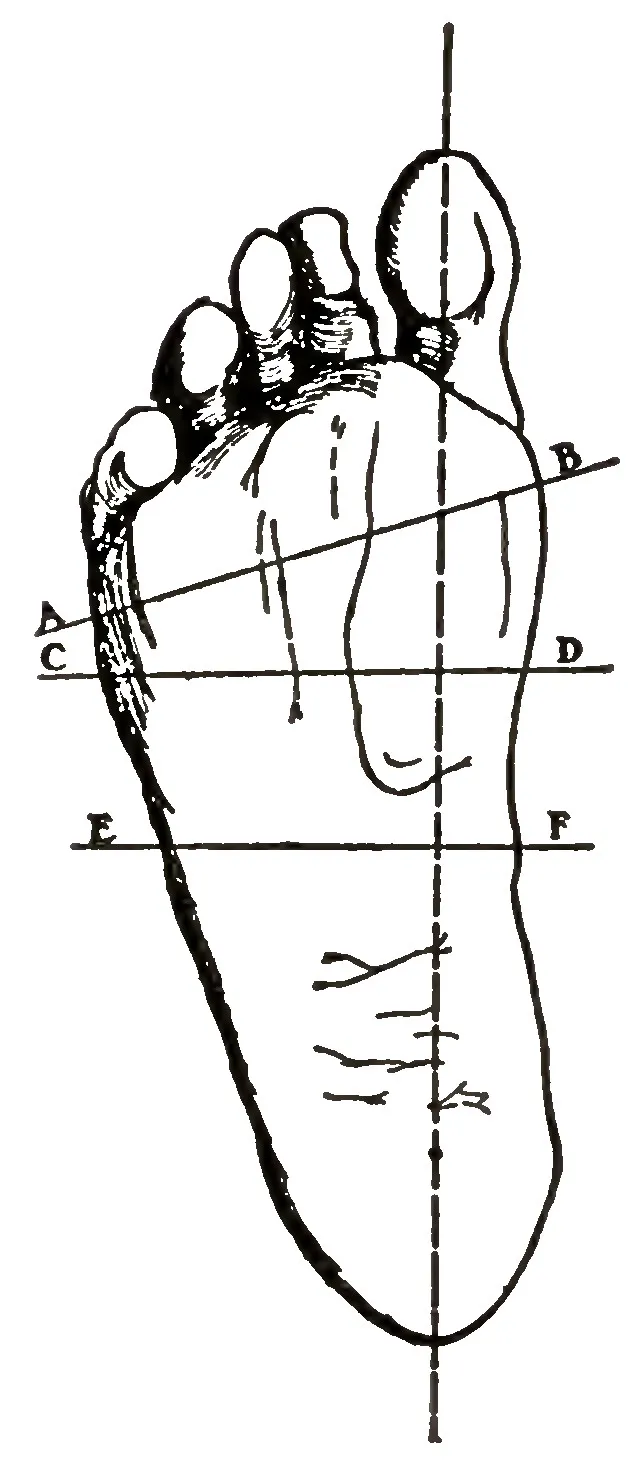
Photo: Edward Lyman Munson of the US Army Medical Corps and the US Army Shoe Board, Public domain, via Wikimedia Commons
You know the scene. The cosplay size chart says large. The gym tee says medium. The anime-print legging says “one size fits most,” and you laugh because “most” has clearly never met a squat rack. Shopping for anime gymwear when you land between standard sizes is less about finding one magic letter and more about reading the garment like a stat sheet.
The goal is simple: avoid the classic mismatch where a piece looks great for photos, then hikes up, digs in, or restricts your shoulders the second you actually train. Here’s the practical route through the size-chart sidequest.
Start With Your Gym Numbers, Not Your Cosplay Letter
Cosplay sizing often runs off bust, waist, and hip in a costume context — sometimes with extra room for padding, layers, or a very specific silhouette. Gymwear is cut for movement, sweat, and stretch. Treat them as separate systems.
Grab a soft tape and take five measurements: chest at the fullest point, natural waist, hip at the widest point, inseam, and torso length from shoulder to waist. Write them down in inches. Then, when you shop, compare those numbers to the brand’s body chart and — more importantly — to the garment’s flat measurements if the listing provides them.
Flat measurements are your best friend. Lay a similar piece you already own flat, measure armpit to armpit, double it, and compare. That tells you how the fabric actually behaves, not just what the model’s height suggests. If a listing only shows a body chart and no garment measurements, assume you may need to size up and check the return policy before you commit.
Stretch Panels: Read the Map Before You Buy
A stretch panel is not a free pass to size down. Look at where the stretch lives. Side panels on leggings, gussets, four-way stretch knits, and articulated knees all change the fit. A legging with a wide waistband and high stretch can feel fine standing still, then turn into a slip-and-slide situation during lunges.
If you’re between sizes, ask what the stretch is doing. Is it there to accommodate movement, or is it the only thing holding the garment together? For training, lean toward the size that lets the seams lie flat without pulling. You want compression, not tension. A quick test: mimic a squat and a high knee. If the waistband rolls or the crotch pulls down, the smaller size is not your gym partner.
Compression Fits Are a Different Sport
Compression wear is designed to fit tight, but “tight” and “too small” are not the same. If you’re between sizes in a compression top or tights, don’t chase the smaller number just because the label says compression. You should be able to breathe, reach overhead, and rotate your torso without the fabric fighting you.
For tops, check the shoulder and armpit first. If the seam digs into your armpit or the sleeves ride up when you reach, size up. For tights, check the waistband and the knee. If the knee bunches or the waistband folds, you’re in the wrong size or the wrong cut — not necessarily the wrong body.
A useful rule: compression for training should feel snug and supportive, not like you need a spotter to get out of it. If you’re between sizes and unsure, choose the larger size for high-impact sessions and save the tighter fit for low-movement layering or photos.
Unisex Cuts and the Shoulder-Hip Math
Unisex anime gymwear is everywhere, and it’s great — until it isn’t. A unisex cut often assumes a straighter hip and a narrower shoulder-to-waist ratio. If your body doesn’t match that pattern, you may need to size for your largest measurement and adjust the rest.
For tops, size for shoulders and chest first. You can always take in a waist or tuck a hem. For bottoms, size for hips and glutes, then check the waistband. A drawstring or elastic waist can save a fit that’s slightly loose, but no drawstring fixes a hip seam that’s pulling.
If you’re between sizes in a unisex tee, consider how you’ll wear it. A slightly oversized tee works for lifting and layering; a slightly undersized one turns into a crop top the moment you press overhead. For joggers, check the rise and inseam — a unisex cut may sit differently than the women’s or men’s cut you’re used to.
Imported Size Charts: Translate, Don’t Guess
Many anime gymwear drops come from overseas, and the size charts often reflect that. A “XL” from one brand can measure like a US medium. Don’t trust the letter alone. Convert centimeters to inches, compare garment measurements, and read reviews from buyers who list their height and weight.
Look for phrases like “runs small,” “size up,” or “model is 5’9” wearing a medium.” Those clues matter more than the label. Also check the return window and whether the item is final sale. If you’re between sizes and the return policy is strict, buy the size that matches your largest measurement — or skip it and find a brand with clearer specs.
The Two-Way Return Checklist
When you’re between sizes, buy two sizes if the return policy allows it. Try both with the tags on, and test them like gymwear, not like a mirror selfie.
- Squat, lunge, and high-knee in place. Watch for waistband roll, seam pull, and riding up.
- Reach overhead and rotate your torso. Check shoulder restriction and armpit dig.
- Do a few jumping jacks. Listen for fabric strain and check whether the hem stays put.
- Try the fit at the end of the day, not just first thing in the morning. Bodies shift.
- Note the return deadline immediately. Put it in your phone calendar.
- Keep original packaging and tags until you’ve made a decision.
The Chart Is the Sidequest, Not the Boss
A size chart is a starting point, not a verdict. Your body isn’t “between sizes” — the chart is between measurements. With a tape measure, a flat-lay comparison, and a return plan, you can find anime gymwear that works on the con floor and in the squat rack. Measure twice, squat once, and let the clothes do their job.